
Maltogenic Amylase vs. Alpha-Amylase: What's the Difference?
Mar 05, 2026
Maltogenic amylase and α-amylase are two commonly used enzymes in modern baking and flour processing. Although they both belong to the amylase family and act on starch, they play different roles in baking applications.
The Basic Job: Both Break Down Starch
Starch in bread dough is made of two components: amylose (straight chains) and amylopectin (branched chains). During baking, these chains gelatinize - they absorb water and swell. After baking, they slowly recrystallize. That recrystallization is what makes bread go stale.
Both enzymes attack these starch chains. The difference is where they cut, what they produce, and when they stop working.
Alpha-Amylase: Fast-Acting, Focused on Volume
Alpha-amylase is an endo-enzyme - it cuts starch chains randomly from the inside, breaking them into shorter fragments (dextrins) and some maltose. It works quickly and aggressively.
In bread production, alpha-amylase is mainly used to:
· Improve fermentation by releasing fermentable sugars (maltose) that feed the yeast
· Increase loaf volume by softening the dough structure and allowing more gas expansion
· Enhance crust color - more residual sugars in the dough contribute to Maillard browning
Alpha-amylase is heat-sensitive and typically deactivated between 60–70°C during baking. Fungal alpha-amylase (derived from Aspergillus oryzae) deactivates earlier than cereal (malt) alpha-amylase, which makes fungal types easier to control. Cereal amylase stays active longer and, if overdosed, can leave too many dextrins - resulting in a sticky crumb and gummy texture. This is a common formulation mistake.
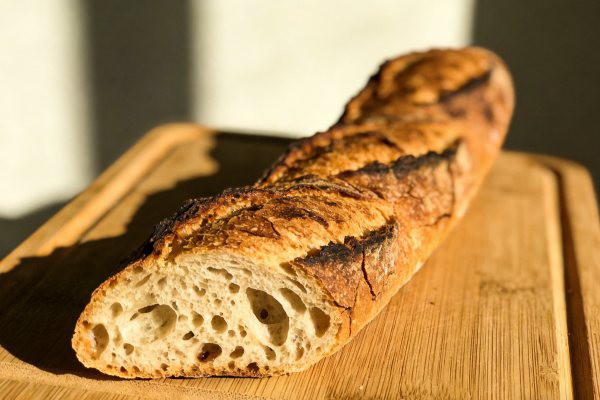
Typical use: Standard white bread, baguettes, rolls - situations where fermentation activity, oven spring, and crust color are the priorities.
Maltogenic Amylase: Slow-Acting, Focused on Softness
Maltogenic amylase is an exo-enzyme - it works from the ends of starch chains, releasing maltose units one at a time. It works more selectively and more slowly than alpha-amylase.
Its key role in bread is anti-staling. Maltogenic amylase targets the amylopectin branches that recrystallize during storage. By trimming those branch ends, it physically prevents the starch network from reforming the tight, crystalline structure that makes bread feel stale.
The result is bread that stays noticeably softer over time - typically for several days beyond what an untreated formula would achieve.
Maltogenic amylase is also more heat-stable than alpha-amylase. It remains partially active well into the baking stage, which means it continues modifying the starch structure even as the loaf sets - contributing directly to its anti-staling effect.
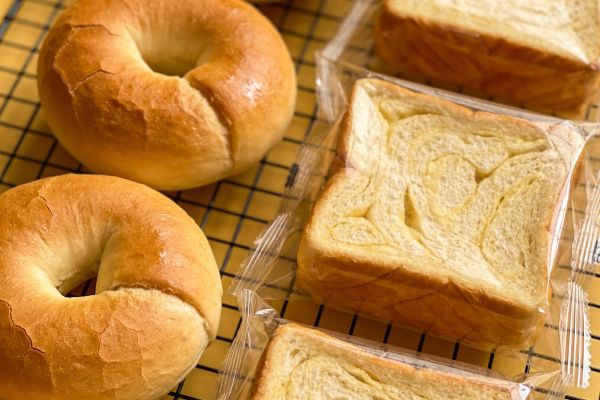
Typical use: Packaged sandwich bread, toast, soft rolls, or any product where shelf life and lasting softness are commercial priorities.
Side-by-Side Comparison
|
Alpha-Amylase |
Maltogenic Amylase |
|
|
Enzyme type |
Endo-enzyme |
Exo-enzyme |
|
Cuts starch at |
Random interior points |
Ends of amylopectin branches |
|
Main products |
Dextrins + maltose |
Maltose |
|
Primary benefit |
Volume, fermentation, crust color |
Anti-staling, extended softness |
|
Heat stability |
Deactivated ~60–70°C |
More heat-stable; active into baking |
|
Risk if overdosed |
Sticky/gummy crumb |
Minimal at typical use levels |
|
Best for |
Standard bread, fermentation boost |
Packaged bread, long shelf life |
Can They Be Used Together?
Yes - and this is common in bread improver formulations. When combined, they cover different stages of the baking process and address different quality outcomes. Alpha-amylase handles fermentation and volume; maltogenic amylase handles what happens after the loaf comes out of the oven.
They also work well alongside emulsifiers like distilled monoglycerides (DMG/E471), which further retard staling through a separate mechanism - forming complexes with amylose to slow recrystallization. In commercial bread improver formulas, DMG and maltogenic amylase are often used together precisely because they tackle staling from two different angles, giving a stronger combined effect than either ingredient alone. For more on how DMG emulsifier works in bread, see the article on How Distilled Monoglycerides Improve Bread Softness and Volume.
Conclusion
For better fermentation, larger volume, and more appealing crust, use α-amylase. For softness and longer shelf life, use maltogenic amylase. If you require a comprehensive system to improve bread volume and extend shelf life, use both enzymes simultaneously.
Chemsino supplies a variety of baking enzymes, including maltogenic amylase, fungal amylase, lipase, glucose oxidase, xylanase, and hemicellulase. Contact us to discuss your application needs or request samples.