

How Pectin E440 Solves Texture Instability in Low-Sugar Jams
Apr 02, 2026
Reducing sugar in jam may seem simple, but in reality, it can be quite challenging. Sugar is not just for sweetness-it also helps form the gel, bind water, and keep the texture stable. When sugar is reduced, jams often become runny, separate during storage, or lose their smooth, spreadable consistency.
Pectin E440 helps solve these problems. It rebuilds the structure that sugar normally provides. This article explains why low-sugar jams often fail in texture, how pectin improves stability, and what to focus on in formulation.
Why Reducing Sugar Destabilizes Jam Texture
Traditional jam works because of a three-way interaction between pectin, sugar, and acid. Sugar has two critical functions beyond sweetness: it helps activate the pectin gel network, and it binds free water, reducing water activity and keeping the jam's internal structure intact.
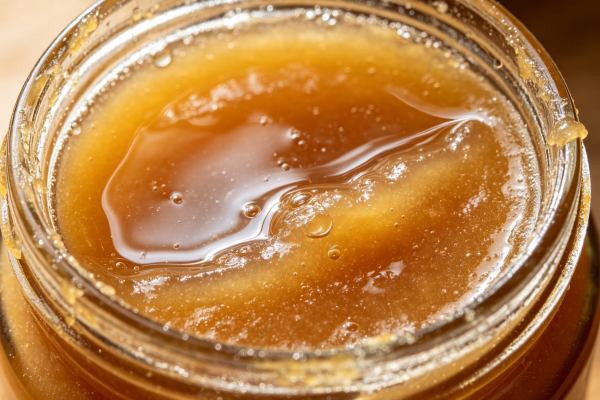
When sugar is reduced below around 55–60% soluble solids, two things happen simultaneously. First, the gel network weakens or fails to form entirely, because standard high-methoxyl pectin requires a high sugar concentration to cross-link. Second, unbound water migrates through the product, causing syneresis - the watery separation that makes low-sugar jam look and feel unstable on the shelf.
Simply adding more standard pectin doesn't fix this. The gel mechanism is wrong for a low-sugar environment.
What Pectin E440 Is and Why Type Matters
Pectin (E440) is a natural polysaccharide extracted from citrus peel or apple pomace. It is approved as a gelling agent, stabilizer, and thickener across the EU, US, and most global markets, and is widely used in clean-label formulations because of its natural origin.
There are two main types, and choosing the wrong one is the most common reason low-sugar jam formulations fail:
High Methoxyl (HM) Pectin gels by hydrogen bonding and requires both high sugar concentration (typically above 55%) and low pH (3.0–3.5). It is the standard choice for traditional full-sugar jam. In a low-sugar system, it simply doesn't gel - or gels weakly and inconsistently.
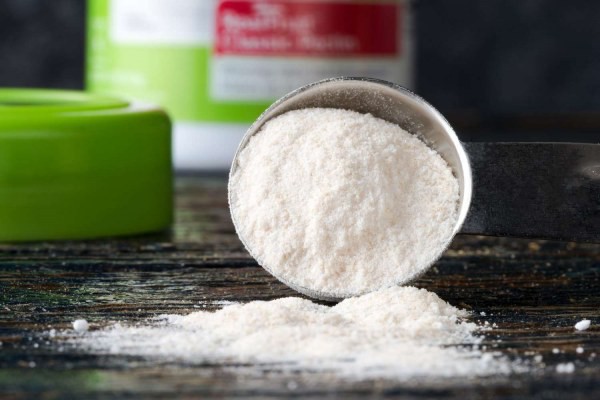
Low Methoxyl (LM) Pectin gels through calcium cross-linking rather than sugar concentration. It can form a stable gel at sugar levels well below 55%, making it the correct choice for reduced-sugar and no-added-sugar jam formulations. The gel strength is controlled by calcium content and pH rather than sugar level.
For low-sugar jams, LM pectin is not an alternative - it is the only viable option.
How LM Pectin Rebuilds Texture in Low-Sugar Jams
Gel formation without high sugar. LM pectin forms a three-dimensional gel network through calcium bridges between pectin chains. This network provides the firmness and body that sugar would normally contribute, independent of soluble solids content. A well-formulated low-sugar jam with LM pectin can achieve the same structural integrity as a traditional jam at a fraction of the sugar level.
Water binding and syneresis control. The gel network created by LM pectin physically traps free water, preventing it from migrating to the surface or pooling at the bottom of the jar. This is the direct fix for the watery texture problem that affects most low-sugar jam reformulations without proper pectin adjustment.
Spreadability control. LM pectin allows fine adjustment of viscosity through dosage and calcium level. At 0.5–0.8% pectin with appropriate calcium, the result is a smooth, spreadable texture - not too stiff, not too fluid. Increasing pectin to 1.0–1.2% in firmer formulations (such as fruit fillings for bakery) gives a more set texture that holds shape during processing.
Key Formulation Parameters
Getting LM pectin to perform correctly requires attention to three variables:
pH. The optimal range for LM pectin gelling is pH 3.0–3.5. Outside this range - particularly above 3.8 - gel strength decreases significantly. In fruit jams where natural acidity varies, pH adjustment with citric acid is often necessary to ensure consistency.
Calcium level. LM pectin gels through calcium cross-linking, so calcium must be present at the right concentration. Too little calcium produces a weak, under-set gel. Too much produces a brittle, grainy texture. The correct balance depends on the specific pectin grade and the natural calcium content of the fruit being used - manufacturers should refer to the supplier's recommended calcium-to-pectin ratio as a starting point.
Dispersion. Pectin powder clumps easily if added directly to liquid. Pre-blend with sugar or another dry ingredient before hydration, and introduce under agitation. Lumps that form at this stage don't dissolve during cooking and create texture defects in the finished product.
Frequently Asked Questions
Can LM pectin fully replace the structural role of sugar in jam?
It replaces the gelling and water-binding functions of sugar, yes. But sugar also contributes to flavor balance and acts as a preservative. Low-sugar jams using LM pectin still need a complete formulation review - including pH adjustment, calcium management, and preservation strategy - not just a pectin swap.
Why is my low-sugar jam still runny after adding LM pectin?
The most likely causes are insufficient calcium, pH outside the 3.0–3.5 range, underdosing of pectin, or poor dispersion leading to unhydrated clumps. Check each variable systematically before adjusting dosage.
Is Pectin E440 suitable for clean-label products?
Yes. Pectin is derived from citrus peel or apple pomace and is accepted as a natural ingredient in clean-label formulations in most markets.
Does pectin affect the flavor of jam?
No. At normal usage levels, pectin has no detectable impact on flavor. Its effect is entirely textural and structural.
Conclusion
Reducing sugar in jam changes more than sweetness-it affects the entire structure. Without proper adjustment, texture instability is almost unavoidable.
Pectin E440 provides a practical solution by rebuilding the gel network, improving water retention, and maintaining consistent texture. With the right type and formulation, it's possible to create low-sugar jams that still deliver the quality consumers expect.
As a specialized pectin supplier dedicated to serving food manufacturers, Chemsino is driven by the mission to make food different, empowering food producers to create superior products.
You Might Also Like
-

Emulsifier PGE Ice Cream CAS NO.67784-82-1
-
Improved Shelf Life And Stability With SSL100% in Your Sn...
-

Polysorbate 60: A Versatile Additive For Dairy Products
-

The Role Of Sorbitan Esters in Formulating Stable Emulsio...
-

Polysorbate 20: A Safe And Effective Emulsifier For The P...
-

Food Grade DATEM Liquid E472e For Dough Strengthening