

What Is Sodium Benzoate? Properties, Benefits, and Applications in Food
Mar 03, 2026
Sodium benzoate is one of the most commonly used food preservatives in the world. If you produce beverages, sauces, fruit products, or acidic foods, you have likely worked with it. It is valued for its reliability, cost-effectiveness, and long history of safe use.
For food manufacturers and distributors, understanding how sodium benzoate works and how to use it correctly is essential for ensuring product safety and a stable shelf life.
What Is Sodium Benzoate?
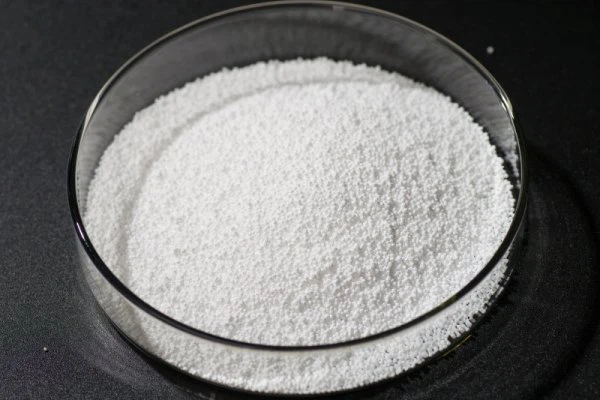
Sodium benzoate is a white, odorless, water-soluble crystalline powder widely used as a food preservative. It is the sodium salt of benzoic acid and works most effectively in acidic conditions (pH below 4.5), where it converts into benzoic acid to inhibit the growth of yeast, mold, and some bacteria. It is chemically stable under normal storage and heat-processing conditions, easy to dissolve in liquid systems, and does not significantly affect taste when used at recommended levels, making it highly suitable for beverages, sauces, fruit products, and other acidic foods.
Key Properties:
· Appearance: White crystalline powder or granules
· Odor: Odorless or faint
· Solubility: Highly soluble in water
· Molecular formula: C7H5NaO2
· Molecular weight: 144.11 g/mol
How Does Sodium Benzoate Work?
Sodium benzoate performs best in acidic environments. When added to foods with a pH below 4.5, it converts into benzoic acid, which is the active antimicrobial form.
Benzoic acid can enter microbial cells and disrupt their internal processes. This stops microorganisms from multiplying and helps prevent visible spoilage such as mold growth, gas formation, off-odors, and flavor changes.
The lower the pH of the product, the more effective sodium benzoate becomes. That is why it is widely used in acidic beverages and fruit-based products.
Where Is Sodium Benzoate Used?
Sodium benzoate is found in many everyday food and beverage products.
In soft drinks and flavored beverages, it prevents yeast and mold growth that can occur during storage. Carbonated drinks, fruit juices, energy drinks, and flavored waters often rely on it for long shelf life.
In sauces and condiments such as ketchup, chili sauce, soy sauce, and salad dressings, sodium benzoate protects against spoilage after opening. These products usually have an acidic profile, which makes the preservative highly effective.
Fruit preparations such as jams, jellies, and pie fillings also use sodium benzoate to prevent surface mold growth, especially when sugar levels or storage conditions vary.

Pickled vegetables and relishes benefit from its action as well, since their acidic nature supports its antimicrobial function.
Outside the food industry, sodium benzoate is also used in cosmetics, pharmaceuticals, and some industrial products. However, food and beverage applications remain its primary global market.
Benefits for Food Manufacturers
Sodium benzoate remains popular because it offers several practical advantages.
It dissolves easily in water, which simplifies production. It works at relatively low dosage levels, making it cost-effective. It remains stable during normal heat processing and does not significantly alter the taste, color, or texture of products when used correctly.
For export-oriented manufacturers, sodium benzoate is widely accepted in global markets and supported by clear regulatory frameworks. This reduces uncertainty when developing products for international distribution.
Recommended Usage and Formulation Guidance
The typical usage level of sodium benzoate in food ranges from 0.05% to 0.1%, depending on product type and local regulations. Exact limits vary by country and application category.
For best performance, manufacturers should pay attention to the final product pH. If the pH is above 4.5, sodium benzoate becomes much less effective. In such cases, adjusting acidity or combining it with other preservation methods may be necessary.
Many producers combine sodium benzoate with potassium sorbate for broader antimicrobial coverage. Proper dissolution before addition to the batch is important to ensure uniform distribution.
Quality control testing, including microbial challenge tests, is recommended when developing new formulations.
Market Trends and Consumer Considerations
While clean-label trends are influencing some product development strategies, sodium benzoate continues to be widely used because of its proven effectiveness and cost stability.
For mass-market beverages and sauces, it remains one of the most practical preservation solutions. Some brands are exploring alternative preservation systems, but in many acidic products, sodium benzoate still offers the most efficient balance between safety, cost, and performance.

Frequently Asked Questions About Sodium Benzoate
What is sodium benzoate used for in food?
Sodium benzoate is mainly used as a preservative to prevent the growth of yeast, mold, and certain bacteria. It is commonly used in soft drinks, fruit juices, sauces, pickles, and jam products to extend shelf life.
Is sodium benzoate safe to use?
Yes, sodium benzoate is approved for use in many countries and is considered safe when used within regulated limits. In the United States, it is classified as Generally Recognized as Safe (GRAS) for approved food applications.
At what pH does sodium benzoate work best?
Sodium benzoate works most effectively in acidic foods with a pH below 4.5. In acidic conditions, it converts into benzoic acid, which provides antimicrobial activity.
What is the typical dosage of sodium benzoate in food?
The common usage level ranges from 0.05% to 0.1%, depending on the food category and local regulations. Manufacturers must always follow the regional maximum permitted levels.
Can sodium benzoate be combined with other preservatives?
Yes. Sodium benzoate is often combined with potassium sorbate to provide broader protection against microorganisms, especially in beverages and fruit-based products.
Is sodium benzoate suitable for beverages?
Yes, sodium benzoate is widely used in carbonated drinks, flavored water, energy drinks, and fruit juices because these products are typically acidic, allowing the preservative to work efficiently.
What is the E number of sodium benzoate?
The E number of sodium benzoate is E211 in regions that follow the European food additive numbering system.
You Might Also Like
-

Food Grade Propylene Glycol MPG CAS NO.57-55-6
-

Natamycin: A Natural Antifungal Wonder For Food Preservat...
-

Transform Your Creations With Sodium Carboxymethyl Cellul...
-
From Grain To Glory: How Maltogenic Amylase Transforms Yo...
-
Glyceryl Monostearate GMS E471 Uses in Baking
-
Wholesale E472a ACETEM 50 For Food Processing