

Sodium Benzoate vs. Potassium Sorbate
Mar 10, 2026
Food preservatives play a critical role in modern food production, extending shelf life, preventing spoilage, and maintaining product safety. Among the most widely used chemical preservatives worldwide are sodium benzoate and potassium sorbate. While both are approved food additives used to inhibit microbial growth, they differ significantly in their chemistry, applications, effectiveness, and safety profiles.
What Are They?
Sodium Benzoate
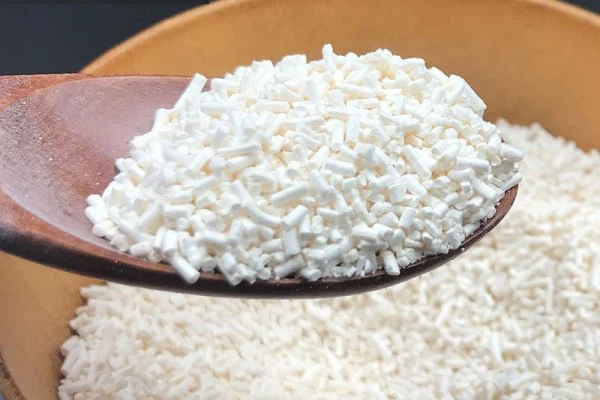
Sodium benzoate (chemical formula C₇H₅NaO₂) is the sodium salt of benzoic acid. It is a white, odorless, crystalline or granular powder that dissolves readily in water. Naturally, benzoic acid occurs in small quantities in certain foods such as cranberries, prunes, cinnamon, and cloves. However, the sodium benzoate used commercially as a food preservative is synthetically produced through the neutralization of benzoic acid with sodium hydroxide.
It has been used as a food preservative since the late 19th century and is one of the oldest and most studied food additives in the world.
Potassium Sorbate
Potassium sorbate (chemical formula C₆H₇KO₂) is the potassium salt of sorbic acid, a naturally occurring unsaturated fatty acid first isolated from the berries of the mountain ash tree (Sorbus aucuparia) in 1859. Like sodium benzoate, the commercial form is synthetically manufactured. It appears as a white to light-yellow crystalline powder or granules with a slightly characteristic odor.
Potassium sorbate became widely adopted as a food preservative in the mid-20th century and is now one of the most commonly used preservatives globally, particularly valued for its mild flavor profile and broad efficacy.
Chemical Comparison
The two compounds differ fundamentally in their chemical structure and mode of action:
Sodium Benzoate: Derived from benzoic acid, it works primarily by converting to its undissociated acid form (benzoic acid) in acidic environments. The undissociated acid is lipophilic and penetrates microbial cell membranes, disrupting intracellular pH and interfering with enzyme function, ultimately inhibiting microbial growth.
Potassium Sorbate: Derived from sorbic acid, it inhibits the growth of molds and yeasts by interfering with the dehydrogenase enzyme system within microbial cells. It disrupts the metabolism of microorganisms and prevents them from producing energy, thereby halting their growth and reproduction.
Both preservatives are effective in their undissociated acid forms, which means pH plays a crucial role in their performance.
Side-by-Side Comparison
|
Feature |
Sodium Benzoate |
Potassium Sorbate |
|
Chemical Formula |
C₇H₅NaO₂ |
C₆H₇KO₂ |
|
Origin |
Synthetic (from benzoic acid) |
Synthetic (from sorbic acid) |
|
Primary Use |
Beverages, acidic foods |
Dairy, baked goods, wines |
|
Effective pH Range |
Below pH 4.5 (acidic) |
pH 3.0–6.5 (wider range) |
|
Taste Impact |
Slight metallic or bitter taste |
Virtually tasteless |
|
Solubility |
Highly water-soluble |
Highly water-soluble |
|
Safety Concerns |
Benzene formation with Vitamin C |
Generally considered very safe |
|
Regulatory Status |
FDA GRAS (with limits) |
FDA GRAS (widely approved) |
|
Max Permitted Level |
0.1% in most foods (FDA) |
0.1–0.3% depending on application |
|
Target Microbes |
Bacteria, yeasts, molds |
Molds, yeasts (less effective vs bacteria) |
Applications in the Food Industry
Where Sodium Benzoate Is Used
Sodium benzoate thrives in highly acidic environments (pH below 4.5), making it the preservative of choice for:
· Carbonated soft drinks and sodas
· Fruit juices, nectars, and fruit-based beverages
· Salad dressings, vinegar-based condiments, and pickles
· Jams, jellies, and marmalades
· Margarine and soy sauce
· Pharmaceutical syrups and topical medications
· Personal care products such as lotions and shampoos
Where Potassium Sorbate Is Used
Potassium sorbate is favored in a wider range of pH conditions and is particularly effective against molds and yeasts. Common applications include:
· Cheeses, dairy products, and yogurts
· Baked goods, including bread, cakes, and tortillas
· Wines, ciders, and fermented beverages
· Dried fruits, fruit preparations, and purees
· Smoked and cured meats
· Vegetable and fruit packaging
· Cosmetics and personal care products
· Dietary supplements and nutraceuticals

Regulatory Status
Both preservatives are approved for use in food products across most countries, though permissible concentrations and approved applications vary:
United States (FDA): Both are classified as GRAS. Sodium benzoate is permitted at up to 0.1% by weight in most food products. Potassium sorbate limits vary by product but are typically 0.1% to 0.3%.
European Union (EFSA): Sodium benzoate is assigned E number E211, and potassium sorbate is E202. Both are subject to specific maximum use levels by food category. The EU requires mandatory labeling for sodium benzoate when used with certain food colorings.
Codex Alimentarius: The international food standards body recognizes both additives with specified acceptable daily intakes (ADIs). The ADI for sorbic acid/sorbates is 25 mg/kg body weight, while for benzoic acid/benzoates it is 5 mg/kg body weight.
Potassium sorbate generally enjoys a more favorable regulatory profile globally, with fewer restrictions and concerns compared to sodium benzoate.
When to Use Each Preservative
Choosing between sodium benzoate and potassium sorbate depends on several factors:
Choose Sodium Benzoate when: the product is highly acidic (pH below 4.0), bacterial control is a priority, the product does not contain ascorbic acid, and cost is a primary concern (sodium benzoate is generally less expensive).
Choose Potassium Sorbate when: the product has a moderate to mildly acidic pH, mold and yeast are the main concerns, the product contains Vitamin C or other ingredients that could react with benzoate, or a cleaner safety profile is desired for health-positioned branding.
In many commercial applications, both preservatives are used in combination at reduced individual levels to achieve synergistic broad-spectrum antimicrobial protection while minimizing flavor impact and staying well within regulatory limits.
Conclusion
Sodium benzoate and potassium sorbate are both effective, widely approved food preservatives with distinct strengths and limitations. Sodium benzoate excels in highly acidic products and offers strong antibacterial activity, but carries concerns about benzene formation and potential hyperactivity links. Potassium sorbate boasts a broader pH range, superior safety profile, and minimal sensory impact, making it the preferred choice in many modern formulations.
If you are developing new food formulations or looking for reliable preservative solutions, get in touch with CHEMSINO to significantly improve product safety, stability, and market success.
You Might Also Like
-
Sorbitol CAS NO. 50-70-4
-

Preservative Calcium Propionate CAS No. 4075-81-4
-

Gentle On Your Stomach, Mighty On Digestion: Lipase Enzym...
-

Best CAS No. 31566-31-1 High Iodine Value DMG Distilled M...
-

A Look At The Endless Possibilities With Polysorbates Liq...
-

PGMS 40 Emulsifier E477 Supplier And Manufacturer