

What are the basics of maltol?
Jun 21, 2022
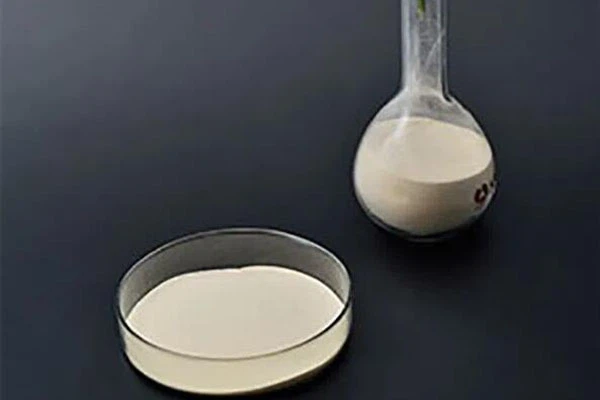
Maltol (maltol), also known as methyl maltol, chemical name 3-hydroxy-2-methyl-4H-pyrone, FEMA number 2656, relative molecular mass 126.11, white needle crystal or white crystalline powder, melting point 160~164℃. Maltol is present in fern leaves and larch bark and in small amounts in food ingredients such as roasted chicory, caramel, roasted coffee, cocoa, cereals, and bread crusts.
Background and overview
Maltol is widely found in nature, wheat, barley malt roasting coagulum, and some fir trees, larch leaves, and bark layers have maltol, and even the fragrant leaves also contain 2% maltol.
Maltol can be directly leached with ethanol and chloroform, but most are produced by fermentation to obtain kojic acid and then chemically synthesized. Ethyl maltol can also be obtained by this method. Maltol and ethyl maltol are broad-spectrum flavor synergists and edible flavors. As safe and reliable food additives, they have been recognized worldwide and are widely used in various food processing.
Maltol is soluble in hot water, ethanol, and chloroform, 1.5% in cold water at room temperature, 2% in hot oil at 90 °C, and insoluble in ether, benzene, and petroleum ether. It sublimates at 90 °C with a threshold of 0.03%. The aqueous solution of maltol is acidic, and it forms salt in the case of alkali and turns purple in the case of ferric chloride. It also has candied fruit aromas and its dilute solution has a slight strawberry aroma. Under acidic conditions, the aroma enhancement effect of maltol was better, with the gradual increase of pH value, the aroma gradually weakened; under alkaline conditions, the aroma weakened significantly. Maltol has a wide application range and no toxic side effects. It is a safe and effective flavor synergist and has a large market at home and abroad.

Function:
As the basic flavor ingredients, maltol and ethyl maltol are the basic components of many compound flavors, and they are also essential raw materials for the preparation of many fruit flavors.
1. Improve food flavor
Maltol and ethyl maltol enhance the overall flavor profile of many seasonings, creating smooth, balanced flavors.
2. Increase and improve the sweetness
The sweetening properties of maltol and ethyl maltol can reduce the amount of sugar used. According to reports, adding 15 ppm of maltol or about a quarter of the amount of ethyl maltol to non-carbonated fruit beverages can achieve the desired sweetening effect and reduce the amount of sucrose by 5-15%.
On the other hand, when used in combination with a high-intensity sweetener, it can improve the unbalanced, discontinuous, and strong taste of the sweetener, help to make the flavor of the product closer to sucrose, and the resulting sweetness more completely balanced.
3. Modification of bitterness and astringency
Maltol and ethyl maltol can generally be used to mask the bitter taste in food or pharmaceutical products, dilute the astringency of food, and inhibit the aftertaste produced by sweeteners so that food has a balanced flavor. Enhance the smooth taste of milk lipids Maltol and ethyl maltol have the effect of enhancing the milk fat feeling in dairy products and can produce a smooth taste similar to high-fat foods, which is conducive to the development of delicious reduced-fat, low-fat, and fat-free products. of premium dairy products.
4. Reduce sour and sour taste
Maltol and ethyl maltol are particularly beneficial for the development of microbially stable low-pH foods and flavors by reducing the overall sourness of the food. At the same time, they can also inhibit the sour taste caused by some food additives, making the food taste softer.
5. Improve the flavor of microwave-cooked food
The fast and low-temperature cooking method of the microwave oven will make food lack its proper flavor, and maltol and ethyl maltol have unique functions that help to improve the flavor of such foods.
Application:
Maltol can reduce bitterness, increase sweetness, enhance the smooth taste of milk lipids, reduce acid pungent taste, and improve the flavor of microwave-processed foods. Maltol can form a chelate with metal has reducibility, and can be used as an antioxidant to prevent food from adverse flavor reactions. Maltol is especially useful in products with vanilla, chocolate, and caramel flavors. At the same time, maltol also has anti-aging effects. Animal experiments have shown that: maltol can strongly inhibit the peroxidation of intrahepatic lipids in mice caused by ethanol, thereby delaying the reduction of cell integration and reducing lipid peroxidation. The role of active enzymes plays a role in prolonging life.
1. Drinks
In beverage products, maltol and ethyl maltol can increase and improve the aroma of beverages, suitable for fruity sweet beverages such as orange, pear, pineapple, cherry, grape, strawberry, mango, apple, coconut, and passion fruit middle.
In fruit wines, maltol and ethyl maltol act as flavor stabilizers, reducing sourness and making the wine attractive. In addition, the modification, blending, and aromatizing functions of maltol and ethyl maltol are some of the reasons why aromatized coffee and tea have become very popular in recent years. And in the application of low-calorie beverages using high-intensity sweeteners, has the effect of improving product flavor.
2. Dairy
In the production of creamy and rich ice cream, frozen milk, and frozen yogurt, maltol and ethyl maltol can be used to improve the creamy texture of the product, as well as flavor properties such as vanilla, grass poison, and chocolate. In addition, various reduced-fat, low-fat, and fat-free products can use maltol and ethyl maltol to increase the creamy taste of the milk fat in the product.
3. Sweets
Maltol and ethyl maltol enhance the taste of vanilla and chocolate pudding, reduce starchy and mushy taste, and further improve the quality of the product. When applied to jelly products, it can make the aroma more intense, the sour taste more peaceful, and make the product reveal a more real and natural fruity taste.
4. Chocolate products
Adding maltol and ethyl maltol to chocolate products can improve the rich and smooth taste and reduce the bitterness of the chocolate itself.
5. Condiments and sauces
In different condiments, maltol and ethyl maltol have different uses, for example, in grass sauce to increase its sweetness and aroma; in tomato sauce to reduce its sour taste. In the new realm of low-oil, low-calorie flavorings, where reducing oil and carbohydrate levels affects the flavor of products, maltol, and ethyl maltol can correct this negative effect, reconciling the astringency and Incongruous flavor.
6. Other applications
In addition to being widely used in food, maltol, and ethyl maltol can also be used in many other fields. For example, they have been widely used in pharmaceutical products such as vitamins and cough syrups to reduce the bitterness caused by some active ingredients, and they can also be used in other non-food areas.


