
Do you want to know about sorbic acid?
Jun 28, 2022
You can find food additives in almost all packaged or processed foods. They serve five primary functions: to improve or preserve nutrients, enhance flavor and color, give food a smooth and consistent texture, control acid balance, and maintain wholesomeness. As a preservative, sorbic acid falls into the category of additives that help maintain wholesomeness. The main microbes it protects against are yeast and molds, according to Iowa State University Extension and Outreach.
What is Sorbic Acid?
Sorbic acid is the most common food preservative against molds, bacteria, fungi, and yeasts. It is favored for its organoleptic neutrality, safety, and efficacy in low-moisture foods such as cheeses, and bakeries.

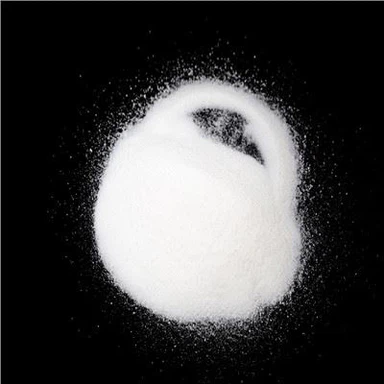
Sorbic acid is a carboxylic acid that is slightly soluble in water and is available as a powder, granules, or microcapsules. It can be applied to foods using various methods:
Dipping and spraying finished products with solutions.
Dusting with powdered sorbic acid
Mixing into formula dry ingredients
Treatment of packaging material
Sorbic Acid in Food
Because sorbic acid controls the growth of yeast and molds, manufacturers add it to the types of foods prone to these particular microbes to keep them from rotting on store shelves. A few examples of foods that may contain sorbic acid are dairy foods like cheese and yogurt, dried fruit, fish, meat, pickles, olives, soups, prepared salads, jelly, syrups, wine, beer, soft drinks, and baked goods such as bread, bagels, and pastries.
Is Sorbic Acid Safe?
It takes a very small amount of this ingredient to preserve foods. Sorbic acid is considered to be harmless to health and has a low allergenic potential, but the potential is there. For every pound of body weight, a person can ingest 10 milligrams of sorbic acid and sorbates a day throughout their life without harming their health.
Sorbic Acid E200 uses as follows:
In Food
Sorbic Acid E200 can be used as a preservative in food such as in dairy foods like cheese and yogurt, dried fruit, fish, meat, pickles, olives, soups, prepared salads, jelly, syrups, wine, beer, soft drinks and baked goods such as bread, bagels and pastries.

In Beverage
Sorbic Acid E200 can be used as a preservative in beverages such as carbonated drinks, fruit drinks, and dairy drinks to inhibit microbial.
In Pharmaceutical
Sorbic Acid E200 can be used as a preservative in Pharmaceuticals.
In Health and Personal care
Sorbic Acid E200 can be used as a preservative in the formulation of facial and eye makeup skin care and hair products in Cosmetics and personal care products. Sorbic Acid and Potassium Sorbate kill microorganisms or prevent or retard their growth and reproduction, and thus protect cosmetics and personal care products from spoilage.
In Agriculture/Animal Feed/Poultry
Sorbic Acid E200 can be used as a preservative in Agriculture/Animal Feed/Poultry feed.