
The characteristics of sodium diacetate and its anti-mildew mechanism
Nov 19, 2021
Sodium diacetate, also known as sodium diacetate, is a multifunctional edible chemical, mainly used as preservatives, antifungal agents, chelating agents, flavoring agents, PH regulators, and meat in the food and feed industries. Product preservatives, etc., are also the main raw materials of compound antifungal agents.
Physical and chemical properties
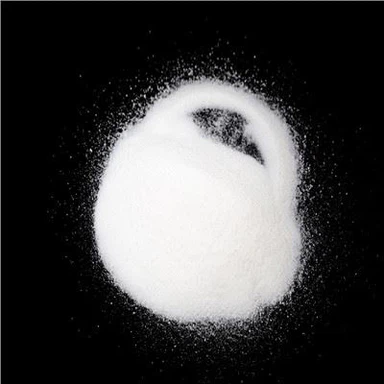
Sodium diacetate is abbreviated as SDA, white crystalline rice powder with an anhydrous molecular weight of 142.9, odor of acetic acid, easy to absorb moisture, easily soluble in water and alcohol, crystal structure is regular hexahedron, melting point is 96℃-97℃, it will decompose when heated to above 150℃.
Main Feature
a) The anti-mildew and anti-corrosion effect is better than that of benzoates, and the general dosage is 0.3-3g/kg.
b) It does not change the characteristics of the food and is not affected by the pH of the food itself. It participates in the metabolism of the human body and produces CO2 and H2O, which can be regarded as a part of the food, maintaining the original color, fragrance, and nutritional content of the food.
c) It has a wide range of applications and is used for anti-mildew and antiseptic of all kinds of foods, and also has great applications in medicine, tobacco, papermaking, fruit preservation, feed, and other industries.
d) Convenient and flexible operation, can be added directly, sprayed, or dipped
e) The sour taste is soft, which overcomes the pungent smell of propionate
Effect
Studies have shown that sodium diacetate mainly interferes with the interaction of enzymes by effectively penetrating the cell wall of molds, inhibiting the production of molds, thereby achieving high-efficiency anti-mold and antiseptic functions. Sodium diacetate is effective for Aspergillus niger, and Rhizopus niger, The inhibitory effect of Aspergillus flavus and Trichoderma viride is better than potassium sorbate.
1. Adding 0.1-0.2% 1-2 kg/ton SDA to feed can effectively prevent feed mildew and extend the storage period of feed for 1-2 months; adding 0.1-0.3% SDA to compound feed can make the feed antiseptic and fresh. 3 -5 months.
2. As a nutritional flavoring agent
Adding 0.05-0.2% SDA to the pellet compound feed can increase the protein utilization rate in the feed by 11%, fish weight gain by more than 10%, and piglet weight gain by 6-8%. It can be effectively added to the milk compound feed in an appropriate amount. Increase the milk protein content of dairy cows.
3. As a disinfectant
Adding 0.1-0.2% SDA to aquatic feed can effectively prevent fish diseases caused by homologous microorganisms, and can be used as a fish pond clarification and disinfectant; adding 0.05-0.3% SDA to poultry feed can prevent chicken Pull diarrhea, and increase the survival rate of brooding period by more than 10%.
4. Application of sodium diacetate in feed for weaning piglets
The addition of 0.3% sodium diacetate in the feed increased the daily gain of weaned piglets by 10.8% compared with no addition. The difference was significant; it had a significant impact on the daily feed intake of weaned piglets. The addition of sodium diacetate can significantly increase the feed conversion rate of weaned piglets (an increase of 10.5%). It may be that sodium diacetate improves the utilization of feed nitrogen and energy.