

What Is GMS Powder for Ice Cream
Oct 14, 2026
GMS powder is a common ingredient in commercial ice cream formulations. It helps control how fat behaves during freezing, affecting the product's texture, air content, and melting performance. For manufacturers, choosing the right GMS grade is more than just buying an emulsifier. The product must work with the fat source, milk solids, stabilizers, and processing conditions used in the factory.

What Is GMS Powder?
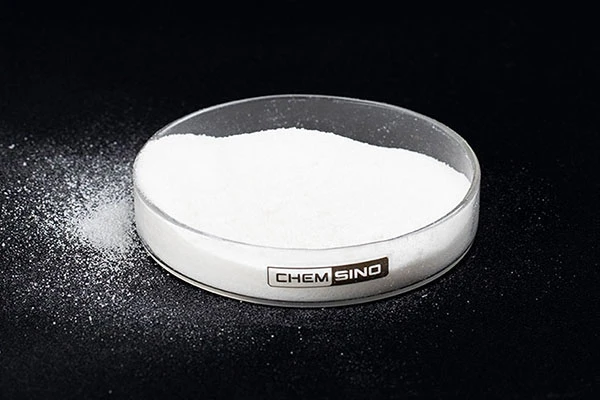
GMS stands for glycerol monostearate, also called glyceryl monostearate. It is a food emulsifier made from glycerol and stearic acid. Food-grade GMS is commonly supplied as a white powder, flakes, or other solid forms, depending on the specification.
An emulsifier helps ingredients such as fat and water work together in a food system. In ice cream, however, its role goes beyond mixing fat and water. GMS also affects the interactions between fat globules, milk proteins, and air during freezing.
GMS is closely associated with E471, the food additive category for mono- and diglycerides of fatty acids. However, GMS and E471 are not identical terms: E471 covers a broader group of ingredients. If you are purchasing GMS for ice cream production, check the ingredient composition and technical specification rather than relying on the product name alone.
Why Is GMS Used in Ice Cream?
It helps create a smooth, creamy texture
Ice cream contains tiny fat globules, ice crystals, and air bubbles. How these components are distributed and held together has a major influence on the final texture.
During processing, GMS helps change the interactions between fat globules and milk proteins. Under suitable conditions, some fat globules begin to cluster together in a controlled way. This process is known as partial fat destabilization.
Although the term sounds complicated, the idea is straightforward: the fat needs to form the right structure to support the air bubbles in the ice cream. When this happens properly, the finished product can have a fuller body and a smoother mouthfeel.
The result also depends on the fat source, homogenization, and freezing conditions. GMS alone cannot guarantee a creamy texture if the rest of the formulation is poorly balanced.
It supports air incorporation
Commercial ice cream contains air, which makes it lighter and influences its serving volume. The percentage increase in volume caused by incorporated air is called overrun.
For example, if 1 liter of ice cream mix produces 1.5 liters of finished ice cream, the overrun is 50%.
GMS can help develop the fat structure needed to support air cells during freezing. This can contribute to a more consistent product and help manufacturers manage overrun. However, GMS does not determine overrun by itself. Freezer settings, mix composition, and operating conditions also play important roles.
Adding more GMS will not automatically produce more air or better-quality ice cream. The correct level needs to be established through formulation trials.
It can improve melting performance
Have you noticed that some ice creams hold their shape longer than others when served? Part of the difference comes from the structure formed by fat, air, and ice during production.
By helping fat globules form a suitable network, GMS can contribute to better shape retention as ice cream begins to melt. This may be useful for products sold in tubs, cones, or other formats where appearance and serving texture matter.
The effect varies with the formulation. A study published in the Journal of the Science of Food and Agriculture in 2023 examined how GMS and the fatty acid composition of the fat phase affected fat crystallization, texture, and melting-related properties in ice cream. The findings reinforce that emulsifier performance depends on the interaction between GMS and the selected fat, rather than on the emulsifier alone.
GMS is not a substitute for a reliable cold chain. If ice cream repeatedly softens and refreezes during storage or transportation, ice crystals can grow, and the texture can deteriorate even when the emulsifier system is suitable.
How Is GMS Powder Added During Ice Cream Production?
GMS is generally added when the ice cream mix is being prepared. It must be dispersed and melted under suitable conditions so that it can function properly during later processing.
A typical production process includes mix preparation, heating, homogenization, ageing, and freezing. During ageing, the mix is cooled and held under controlled conditions, allowing the fat to crystallize before freezing. This helps prepare the fat phase for the next stage of production.
The exact heating temperature, holding time, and mixing procedure depend on the GMS grade and the manufacturer's process. GMS powders can differ in composition and melting behavior, so the supplier's technical data sheet should be consulted before setting production parameters.
Poor dispersion or unsuitable processing conditions may limit the emulsifier's effectiveness. If the finished ice cream has a weak body or inconsistent texture, manufacturers should review the entire process instead of immediately increasing the GMS dosage.
How Much GMS Powder Is Used in Ice Cream?
There is no single dosage that works for every ice cream formulation. The appropriate amount depends on the GMS grade, fat content, other emulsifiers and stabilizers, and the texture the manufacturer wants to achieve.
For preliminary laboratory trials, a manufacturer might evaluate levels such as 0.1%, 0.2%, and 0.3% of the total mix, provided these levels are permitted for the intended application and market. These are illustrative trial points, not a universal dosage recommendation. The suitable range must be confirmed using the supplier's guidance, local regulations, and actual product testing.
During testing, keep the other ingredients and processing conditions as consistent as possible. Compare the samples for texture, overrun, melting behavior, and performance after storage. A control batch can help show whether adding GMS produces a meaningful improvement.
If the ice cream becomes too firm or develops an undesirable mouthfeel, review the GMS level and the overall emulsifier system. Increasing the dosage without understanding the cause may make the problem worse.
How to Choose GMS Powder for Ice Cream
Not every GMS powder has the same composition or performance. Before placing a bulk order, manufacturers should check several details.
Monoglyceride content: Review the declared content and test method. Different purity levels may behave differently in a formulation, so the grade should be selected according to the intended application.
Food-grade specifications: Confirm the ingredient identity, relevant quality parameters, and regulatory suitability for the target market. Request the technical data sheet and applicable compliance documents.
Physical properties: Check the product's appearance, melting behavior, storage requirements, and handling instructions. These details affect how the powder is stored, weighed, and incorporated into the mix.
Batch consistency: Consistent product quality helps manufacturers maintain a stable formulation from one production run to the next. Ask about the supplier's quality control and batch documentation.
Application suitability: A grade intended for one food application should not automatically be assumed to perform equally well in ice cream.
Where possible, test the product in the actual formulation and production process before making a commercial commitment.
For procurement teams, the lowest price per kilogram is not always the most economical choice. A grade that produces consistent results and requires fewer formulation adjustments may offer better overall value.
Frequently Asked Questions
Is GMS powder the same as E471?
No. GMS means glycerol monostearate, while E471 refers to mono- and diglycerides of fatty acids as a broader food additive category. Check the supplier's composition and labeling documentation to confirm the exact product.
Does GMS powder prevent ice crystals in ice cream?
Not by itself. GMS mainly affects the fat structure and can contribute to texture and melting performance. Ice crystal size is also influenced by freezing speed, storage temperature, temperature fluctuations, and the stabilizer system.
Can GMS be used in non-dairy ice cream?
It may be suitable for certain plant-based frozen desserts, depending on the ingredient specification and local regulations. Plant-based fats and proteins behave differently from dairy ingredients, so the formulation should be tested before commercial production.
What should I ask a GMS supplier before buying?
Ask for the technical data sheet, monoglyceride content, food-grade specifications, relevant compliance documents, packaging details, and storage instructions. If you plan to use the product in ice cream, also discuss the formulation and processing conditions so you can select a suitable grade.
Choosing the Right GMS for Your Ice Cream Formulation
GMS powder can help ice cream manufacturers develop a smoother texture, support air incorporation, and improve melting performance. Its actual effect depends on the GMS grade, fat composition, dosage, and production process.
Before choosing a product for large-scale production, compare specifications and conduct trials using your own formulation. This is the most practical way to confirm whether a GMS grade meets your requirements for texture, overrun, and product stability.
CHEMSINO supplies food emulsifiers for different food processing applications. For GMS powder specifications, technical documentation, or help identifying a suitable grade for your ice cream formulation, contact info@cnchemsino.com.
You Might Also Like
-

Magical Ingredient From Nature: Discover Carrageenan's As...
-

Embrace Glucose Oxidase For Food Excellence! CAS NO.: 900...
-
Manufactory Of Distilled Monoglycerides DMG Flake CAS No....
-

Food Grade Distilled Monoglyceride DMG Powder
-

Sustainable Solutions With Propylene Glycol Industrial Gr...
-

Sorbitan Monolaurate (S-60): A Must-Have Emulsifier For C...