

How Does Sodium Stearoyl Lactylate Improve Dough Performance?
Nov 12, 2026
In commercial bread production, dough quality directly affects loaf volume, texture, and production consistency. Flour quality, water absorption, mixing, and fermentation all influence the final result. Sodium Stearoyl Lactylate (SSL), also known as E481, is a widely used food emulsifier that helps improve dough strength and gas retention. By interacting with gluten proteins, SSL supports a stronger dough structure, allowing bread to develop better volume and a more uniform crumb. Understanding how it works can help bakery manufacturers select the right emulsifier for their formulations.
What Is Sodium Stearoyl Lactylate (SSL)?
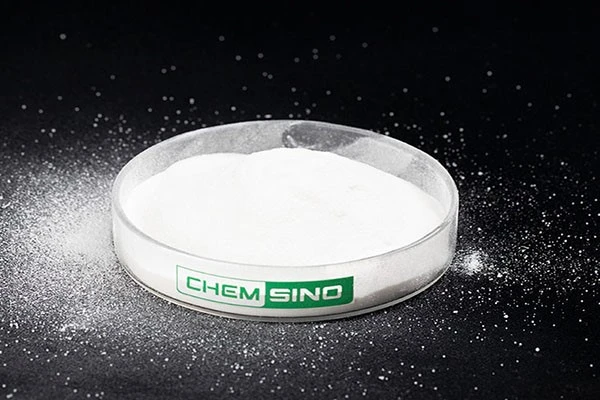
Sodium Stearoyl Lactylate (SSL) is an anionic food emulsifier made from stearic acid and lactic acid, with sodium used for neutralization. It is classified as E481 and is commonly used in bread, rolls, buns, and other yeast-leavened bakery products. Unlike emulsifiers mainly used to modify fat structure, SSL is particularly valued for its dough-conditioning properties. It interacts with wheat proteins and helps improve gluten network strength, supporting better dough handling, gas retention, and finished bread quality.
How Does SSL Improve Dough Performance?
The main benefit of SSL is its ability to improve the strength and stability of bread dough. During mixing, wheat proteins absorb water and develop into a gluten network that gives dough its elasticity and structure. SSL interacts with this protein network, helping improve its strength and ability to retain the carbon dioxide produced by yeast during fermentation. This is important in commercial baking, where dough must withstand mixing, dividing, moulding, and proofing without losing its structure.
Better gas retention also contributes to bread volume and crumb quality. During fermentation, yeast produces carbon dioxide that becomes trapped in small pockets within the dough. These gas cells expand during proofing and baking, creating the internal structure of bread. When the gluten network is too weak, gas can escape, and the finished loaf may have a dense texture. By improving dough strength, SSL helps maintain gas cells and supports a more uniform crumb and better loaf volume.
SSL can also improve dough tolerance during mechanical processing. In industrial bakeries, dough passes through several production stages, often at high speed. Consistent elasticity and strength help it maintain its shape during dividing, rounding, and moulding. This makes SSL useful in formulations where stable processing performance and uniform finished products are important.
Applications of SSL in Bakery Products
Bread and Toast
Bread is one of the most common applications of SSL. During fermentation and baking, dough needs to retain carbon dioxide while expanding. SSL helps strengthen the gluten network, supporting better gas retention, loaf volume, and crumb structure. It is particularly useful in commercial bread production, where manufacturers need consistent dough performance and uniform results across large production batches.
Hamburger Buns and Sandwich Bread
Hamburger buns and sandwich bread require good volume, a soft crumb, and a consistent shape. SSL helps improve dough strength and gas retention, supporting a more uniform internal structure. These properties are important for products that need to be sliced, packaged, transported, and stored while maintaining their expected texture and appearance.
Frozen Dough
Freezing and storage can affect yeast activity and gluten structure, making frozen dough more challenging to process. SSL may be included in a dough improver system to support dough strength and processing performance after thawing. However, its effectiveness depends on flour quality, freezing conditions, storage time, and the other ingredients in the formulation. It should therefore be evaluated through practical baking trials.

SSL vs DATEM: What Is the Difference?
SSL and DATEM (Diacetyl Tartaric Acid Esters of Mono- and Diglycerides, E472e) are two commonly used emulsifiers in commercial bread production. Both help strengthen dough and improve gas retention, but their functional properties and interactions with dough components are not identical. SSL is valued for its interaction with gluten proteins, while DATEM is widely used to improve dough strength and gas retention. Both can contribute to better loaf volume and crumb structure, and some formulations use them together to achieve the desired baking performance.
|
Parameter |
SSL (E481) |
DATEM (E472e) |
|
Full name |
Sodium Stearoyl Lactylate |
Diacetyl Tartaric Acid Esters of Mono- and Diglycerides |
|
Ionic nature |
Anionic |
Anionic |
|
Main function |
Dough strengthening and conditioning |
Dough strengthening and gas retention |
|
Common applications |
Bread, buns, rolls |
Bread and other yeast-leavened products |
|
Key benefits |
Dough tolerance and crumb structure |
Dough stability and loaf volume |
How to Use SSL in Bread Formulations
The performance of SSL depends on flour protein quality, water absorption, mixing intensity, and fermentation conditions. Adding more SSL does not necessarily produce better bread, so the dosage should be adjusted according to the formulation and applicable food additive regulations. Manufacturers should evaluate loaf volume, dough handling, crumb structure, and finished bread texture when testing different levels. Comparing results under consistent production conditions is the most reliable way to identify a suitable dosage.
Final Thoughts
Sodium Stearoyl Lactylate (SSL) is a useful dough-conditioning emulsifier for commercial bread production. By improving gluten network strength and gas retention, it helps support better loaf volume, uniform crumb structure, and more consistent dough handling. It is particularly suitable for bread, sandwich loaves, buns, and other yeast-leavened products where dough strength and processing stability are important. The final performance depends on flour quality, formulation, and processing conditions.
CHEMSINO supplies food-grade Sodium Stearoyl Lactylate (SSL, E481) for bakery and other food manufacturing applications. Contact our team at info@cnchemsino.com to request product specifications and discuss your dough formulation requirements.
Frequently Asked Questions
1. What does SSL do in bread dough?
SSL helps strengthen the gluten network and improve gas retention during fermentation and baking. This supports better loaf volume, more uniform crumb structure, and improved dough handling in commercial bread production.
2. Does SSL improve gluten strength?
Yes. SSL interacts with wheat proteins and helps improve dough structure and stability. This allows the dough to retain carbon dioxide more effectively during fermentation and baking, contributing to better bread volume and texture.
3. What is the difference between SSL and DATEM in bread?
Both are dough-strengthening emulsifiers, but their functional properties differ. SSL is valued for its interaction with gluten proteins, while DATEM is widely used to improve dough strength and gas retention. The choice depends on flour quality and formulation requirements.
4. Can SSL improve bread volume?
Yes. By supporting dough strength and gas retention, SSL can help increase loaf volume and produce a more uniform crumb. However, the results also depend on flour quality, mixing, fermentation, and baking conditions.
5. Can SSL be used in frozen dough?
SSL may be included in frozen dough formulations as part of a dough improver system. Its effectiveness depends on freezing and storage conditions, flour characteristics, and the overall formulation.
You Might Also Like
-

Self-emulsifying GMS E471 CAS NO. 123-94-4
-

Thickening Pastry And Pastry Fillings CAS NO. 123-94-4
-

Revitalize Your Hair With Propylene Glycol Esters PGMS40%...
-

Stable Quality Glycerol Monostearate Liquid CAS No. 26545...
-

From Salad Dressings To Ice Cream: PGE Liquid Emulsifier ...
-

Food Grade Carrageenan CAS 9000-07-1 For Sale