

Whipping Cream Powder Applications and Benefits
Nov 25, 2026
Whipping cream powder is widely used in bakeries, dessert shops, beverage shops, and food manufacturing. After mixing with cold water or milk and whipping, it can produce a light, creamy texture for cake decoration, dessert toppings, fillings, and beverages.
With convenient preparation, good whipping performance, and versatile applications, whipping cream powder provides a practical solution for food businesses. Formulations using specialized whipping emulsifier systems can also benefit from improved cold-water dispersibility, helping achieve a smooth, fluffy texture without complicated preparation or additional heating.
What Is Whipping Cream Powder?
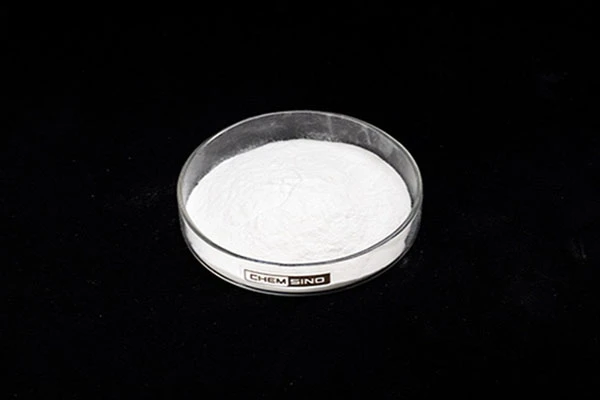
Whipping cream powder is a formulated powder designed to produce whipped cream when mixed and whipped. Depending on the formulation, it may contain vegetable fat, sugar, milk powder, emulsifiers, stabilizers, and other ingredients to achieve the desired texture, flavor, and whipping performance.
Some formulations use composite whipping emulsifier systems made from ingredients such as acetylated mono- and diglycerides and lactic acid esters of mono- and diglycerides, combined with selected syrup or milk powder carriers. These systems improve cold-water dispersibility, whipping performance, and foam texture, making preparation easier for food manufacturers and foodservice operators.
Applications of Whipping Cream Powder
1. Cake Decoration
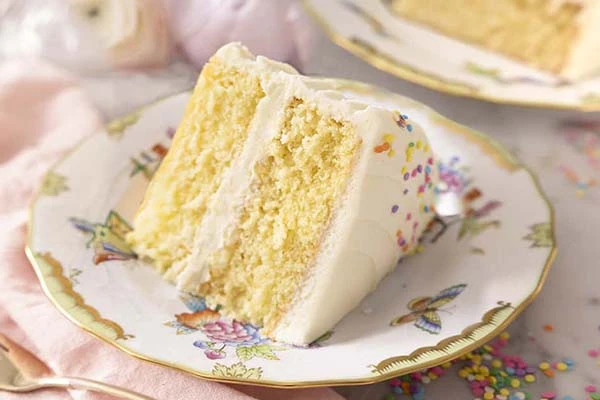
Whipping cream powder is widely used for birthday cakes, celebration cakes, and bakery decoration. After preparation and whipping, the cream can be used for piping flowers, rosettes, borders, swirls, and other decorative patterns.
For cake decoration, the cream needs a smooth texture, good whipping performance, and sufficient firmness to maintain its shape. A suitable formulation helps bakers create attractive decorations while making preparation more convenient and consistent.
2. Cake Filling and Bakery Products
Whipped cream is commonly used as a filling for sponge cakes, Swiss rolls, cream cakes, cream puffs, and pastries. It adds a soft, creamy texture and complements the taste of baked products.
For filling applications, the cream should be smooth, easy to spread or pipe, and sufficiently stable to maintain its structure. It can also be combined with fruit, chocolate, custard, or other ingredients to develop different flavors and filling styles.
3. Dessert Toppings
Whipping cream powder can be prepared into cream for puddings, waffles, pancakes, brownies, mousse, fruit desserts, and ice cream sundaes. It adds creaminess, lightness, and visual appeal to desserts.
The cream can be piped, spread, or spooned onto desserts according to the desired presentation. Its convenient preparation also makes it suitable for dessert shops and foodservice businesses that need flexible quantities throughout the day.
4. Coffee and Beverage Toppings
Whipped cream is a popular topping for coffee, hot chocolate, milkshakes, frappes, and specialty beverages. It adds a creamy layer and improves the visual presentation and overall drinking experience.
For beverage applications, the cream should have a light texture, smooth consistency, and suitable stability during serving. It can be combined with chocolate sauce, caramel, cocoa powder, or flavored syrups to create different beverage styles.
5. Ice Cream and Frozen Desserts
Whipping cream powder and related cream formulations can be used in ice cream, frozen desserts, and dessert toppings. Depending on the formulation, cream ingredients can contribute creaminess, texture, and aeration to the finished product.
In frozen applications, ingredient compatibility, fat composition, and processing conditions are important for achieving the desired texture and stability. Formulations should be tested under actual production conditions to ensure consistent results.
6. Milk Cap and Aerated Desserts
Whipping cream is also used to prepare milk caps for tea, coffee, and other beverages, as well as mousse and other aerated desserts. These applications require a creamy, fluffy texture and suitable foam structure.
A well-designed formulation helps incorporate air and develop a smooth texture. Cold-water-dispersible ingredient systems can also simplify preparation by reducing the need for additional heating during mixing, depending on the formulation and processing requirements.
Benefits of Whipping Cream Powder
Whipping cream powder offers several practical benefits for commercial food applications:
Convenient preparation: Mix with the recommended amount of cold water or milk and whip to the desired texture.
Cold-water dispersibility: Formulations using suitable composite emulsifier systems can disperse more conveniently in cold liquids.
Good whipping performance: Helps develop volume and a light, fluffy texture.
Versatile applications: Suitable for cake decoration, fillings, dessert toppings, beverages, ice cream, and aerated desserts, depending on the product formulation.
Flexible preparation: Cream texture and firmness can be adjusted through formulation and whipping conditions to meet different application requirements.
How to Prepare Whipping Cream Powder?
Preparation generally involves mixing the powder with the recommended amount of cold water or milk, followed by whipping until the desired volume and texture are achieved.
Cold-water-dispersible formulations offer greater convenience and may eliminate the need for additional heating during preparation. The liquid ratio, temperature, whipping speed, and time should follow the supplier's instructions to achieve consistent results.
FAQs
1. What is whipping cream powder used for?
It is used for cake decoration, bakery fillings, dessert toppings, beverages, ice cream-related applications, and aerated desserts.
2. Can whipping cream powder be prepared with cold water?
Many products can be prepared with cold water or milk. Follow the specific supplier's instructions for the recommended liquid and preparation conditions.
3. Can whipping cream powder be used for cake decoration?
Yes. It can be whipped into cream for piping, flowers, borders, and other decorations, depending on its firmness and stability.
4. Can whipping cream powder be used in beverages?
Yes. It can be used for coffee, milkshakes, hot chocolate, milk-cap toppings, and other specialty beverages.
5. What affects the texture of whipped cream?
Formulation, fat composition, emulsifiers, stabilizers, liquid ratio, temperature, and whipping conditions all influence texture and stability.
Final Thoughts
Whipping cream powder offers a convenient and versatile solution for bakery, dessert, beverage, and foodservice applications. From cake decoration and fillings to beverage toppings, ice cream-related applications, and aerated desserts, it helps food businesses prepare creamy products with flexible textures and applications.
With suitable formulation and preparation conditions, whipping cream powder can deliver convenient mixing, good whipping performance, and a light, smooth texture. Cold-water-dispersible systems can further simplify preparation, making them a practical choice for food manufacturers and commercial kitchens.
You Might Also Like
-

Enhance Your Beverages With Glycerol Monostearate GMS90
-

Propylene Glycol Esters PGMS 40% – The Secret To Longer S...
-

Wholesale CAS No. 26545-74-4 E471 Glycerol Monostearate G...
-

Polysorbate 40: The Key To Successful Emulsification in L...
-
Food Additive Emulsifier E491 Sorbitan Monostearate Span 60
-

Calcium Stearoyl Lactylate (CSL) Supplier And Manufacturer