

Bakery Emulsifiers and Their Practical Applications
Oct 28, 2026
Bakery emulsifiers help improve the quality, texture, and consistency of bread, cakes, biscuits, and other baked goods. They can strengthen dough, improve loaf volume, maintain crumb softness, and support batter stability.
Different emulsifiers serve different purposes. The right choice depends on the product type, production process, and desired results.
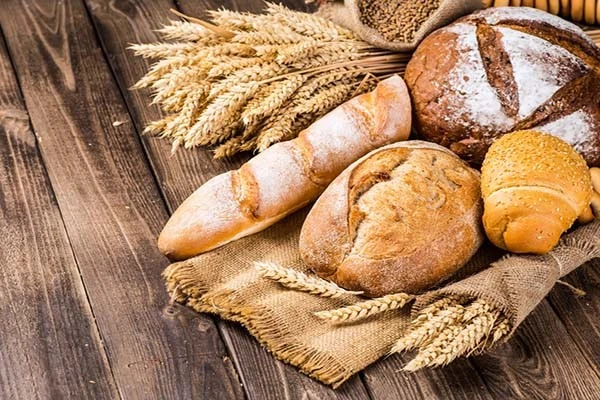
What Are Bakery Emulsifiers?
Bakery emulsifiers are food ingredients that help fats and water work together. They also interact with proteins and starch, affecting dough structure and the texture of finished products.
In commercial baking, emulsifiers are commonly used to:
# Improve dough strength and gas retention.
# Increase bread volume and create a more uniform crumb.
# Help maintain bread softness during storage.
# Improve cake batter aeration and texture.
# Support consistent product quality during large-scale production.
Common bakery emulsifiers include distilled monoglycerides (DMG), glycerol monostearate (GMS), DATEM, sodium stearoyl lactylate (SSL), and polysorbate 60.
Common Bakery Emulsifiers and Their Applications
|
Emulsifier |
Main Function |
Typical Applications |
|
DMG |
Helps maintain crumb softness and control starch-related changes |
Bread, cakes, and other baked goods |
|
GMS |
Provides emulsifying functionality and supports texture control |
Selected bread and cake formulations |
|
DATEM |
Strengthens dough and improves gas retention |
Bread and yeast-leavened products |
|
SSL |
Supports dough strength, loaf volume, and crumb structure |
Bread and rolls |
|
CSL |
Helps strengthen dough in suitable formulations |
Bread and yeast-leavened products |
|
Polysorbate 60 |
Supports batter aeration and emulsification |
Cakes and cake mixes |
The best choice depends on the specific application. For example, DATEM and SSL are often used when bread dough needs more strength, while DMG is commonly selected to keep bread soft during storage.
How Are Bakery Emulsifiers Used?
1. Bread Making
Bread manufacturers need dough that can retain gas and expand properly during baking. Weak dough may produce small loaves, uneven holes, or poor crumb structure.
DATEM and SSL help strengthen dough and improve gas retention, supporting better loaf volume and a more uniform crumb.
DMG serves a different purpose. It interacts with starch and can slow crumb firming during storage, helping packaged bread maintain a softer texture.
Some bread formulations combine dough-strengthening emulsifiers with DMG to improve both loaf structure and softness. The right combination depends on the flour, recipe, and production conditions.
2. Cake Production
Cake quality depends on how well the batter incorporates air and holds its structure during baking.
Polysorbate 60 is used in certain cake formulations to support aeration and emulsification. GMS may also be suitable for selected applications, depending on the formulation.
When choosing a cake emulsifier, manufacturers should check batter stability, cake volume, crumb texture, and product quality after storage. Results can vary with fat content, sugar levels, mixing methods, and baking conditions.
3. Biscuits and Cookies
In biscuits and cookies, emulsifiers can help distribute fat and improve ingredient compatibility in suitable formulations.
However, problems such as excessive spreading, hardness, or uneven texture may also result from the flour-to-fat ratio, mixing process, or baking temperature. An emulsifier should be selected according to the actual production problem rather than used as a general solution.
4. Frozen Dough
Frozen dough may lose quality during storage and thawing, resulting in lower bread volume or inconsistent texture.
DATEM and SSL can help support dough structure in suitable frozen-dough formulations. Their performance depends on flour quality, freezing conditions, storage time, and the thawing process.
Manufacturers should test emulsifiers using the complete production process, from freezing and storage to final baking.
How to Choose the Right Bakery Emulsifier
Before selecting an emulsifier, consider four key factors.
Product requirements: Decide whether the main goal is better dough strength, larger loaf volume, softer bread, or improved cake texture.
Formulation: Flour quality, fat content, sugar levels, and water absorption can affect emulsifier performance.
Processing conditions: Mixing, fermentation, baking, freezing, and storage may all influence the final results.
Product specifications: Check the emulsifier's technical data sheet (TDS), certificate of analysis (COA), recommended applications, and applicable food regulations.
A small-scale trial is usually the best way to confirm whether an emulsifier works in a specific recipe. Compare the results with your current formulation before moving to full-scale production.
Conclusion
Bakery emulsifiers help manufacturers improve dough performance, bread softness, cake texture, and product consistency. DATEM and SSL are commonly used for dough strengthening, while DMG helps maintain bread softness. GMS and polysorbate 60 can also provide useful functions in suitable bakery formulations.
The right emulsifier depends on your product and production needs. Contact CHEMSINO at info@cnchemsino.com for product specifications and help selecting suitable food emulsifiers for your bakery applications.
Frequently Asked Questions
What is the most commonly used emulsifier in bread?
DATEM, SSL, and DMG are commonly used in bread formulations. DATEM and SSL support dough strength, while DMG helps maintain crumb softness.
Which emulsifier helps bread stay soft longer?
DMG can help slow bread crumb firming through its interaction with starch. The final result also depends on moisture, packaging, and storage conditions.
Can the same emulsifier be used for bread and cakes?
Not always. Bread and cakes have different formulation and processing requirements. An emulsifier should be selected and tested for its intended application.
How do I choose the correct emulsifier dosage?
Follow the supplier's recommendations and applicable regulations, then conduct controlled trials to evaluate product quality and processing performance.
You Might Also Like
-

Unleash Creative Possibilities With Sodium CMC Enhancemen...
-

Food Science Marvel: Xanthan Gum's Transformative Benefit...
-

Surfactant Agriculture CAS NO.26402-22-2
-

Top Supplier Glycerol Monostearate 52 Powder GMS 52 Powde...
-

Versatile Emulsifier E476 Polyglycerol Polyricinoleate (P...
-

Pure Lipase Powder For Bakery And Confectionery