

What is Gelatin? Everything You Need to Know
Jul 16, 2024
Gelatin is indispensable in daily food products, offering unique contributions such as texture enhancement, stabilization, and nutritional enrichment. This article highlights gelatin's significance across food, pharmaceutical, and other sectors, underscoring its versatility as a functional ingredient and its diverse applications.
What is Gelatin?
Gelatin is a hydrolyzed product obtained through the high-temperature hydrolysis of collagen. It is a protein that contains amino acids necessary for the human body. The raw materials for commercial gelatin include the bones and skins of animals such as cows, sheep, and pigs. Additionally, fish scales, fish skins, and chicken skins are also used as raw materials for gelatin production.
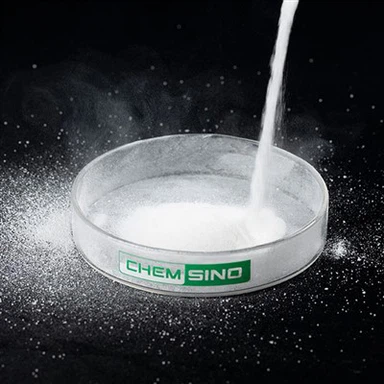
Edible gelatin is white or light yellow-brown, semi-transparent, tasteless, and odorless. It swells in cold water and forms a gel when dissolved in hot water or certain aqueous solutions, but not in ethanol or ether.
Thanks to its unique thickening, gelling, water-binding, foaming, emulsifying, and stabilizing properties, gelatin is widely used in the production of candies, dairy products, beverages, meats, baked goods, desserts, and ready-to-eat foods.

What is Gelatin Made of?
Gelatin is made from the partial hydrolysis of collagen, which involves breaking down the collagen molecules into smaller gel-forming peptides and proteins. This process typically involves:
1. Source Materials: The primary sources for gelatin production are animal by-products, including bones, skins, tendons, and ligaments.
2. Pretreatment: The raw materials are cleaned and soaked in a dilute acid or alkaline solution to break down the cellular structure and prepare the collagen for extraction.
Acid Treatment: Typically used for pigskins, this process takes about 24 hours.
Alkaline Treatment: Commonly used for cattle hides and bones, this process can take several weeks to months.
3. Hydrolysis: The pretreated materials are heated in water, which breaks down the collagen into gelatin. This step involves controlled heating to ensure the proper breakdown of collagen.
4. Extraction: The gelatin solution is extracted through multiple stages to achieve the desired concentration and purity.
5. Filtration and Purification: The solution is filtered to remove any impurities, and further purification steps are taken to ensure high-quality gelatin.
6. Concentration and Drying: The purified gelatin solution is concentrated and then dried to form sheets, granules, or powder, which are then packaged for various uses.
What Are the Key Characteristics of Gelatin?
- Melting at Body Temperature: Gelatin melts at body temperature, providing a pleasant mouthfeel. This characteristic makes it ideal for use in confectioneries like gummies, marshmallows, and chewy candies, as well as various dairy, meat, and dessert products.
- Natural and Compatible: As a natural protein with low allergenicity, gelatine powder is fully compatible with the human body. This makes it an excellent excipient and biomaterial for pharmaceutical and medical applications.
- Clean Label Ingredient: Gelatin is a natural protein that is considered safe and does not require an E-number. This makes it a perfect choice for clean-label products, appealing to health-conscious consumers.
- Thermo-reversibility: Gelatin exhibits thermo-reversibility, meaning it can be repeatedly heated to a liquid state and cooled to form a gel without losing its properties. This makes it highly versatile in culinary and industrial applications.
- Transparent and Flavorless: Gelatin powder is transparent and flavorless, allowing it to be easily incorporated into a wide range of products with different colors and flavors without altering their sensory attributes.
What are the Uses of Gelatin?
1. Adding Texture to Familiar and Beloved Foods
While most people recognize gelatin as a crucial component in candies like marshmallows, gummies, and fruit snacks, did you know that the dairy industry heavily relies on gelatin for producing sour cream, yogurt, ice cream, cheese, and specialty desserts? Similarly, in the meat processing industry, gelatin's adhesive properties are essential for creating distinctive meat products, meat spreads, and luncheon meats. Gelatin kosher is naturally rich in protein, fat-free, cholesterol-free, and low in calories-making it a well-known and trusted label-friendly ingredient.

2. Thickening and Clarifying Popular Beverages
In beverages, gelatin for sale is commonly used as a clarifying agent or thickener. Its unique properties help remove precipitates that cause cloudiness in wines, juices, and beers, where transparency is a critical quality attribute. Here, gelatin powder serves as a processing aid and does not leave residues in the final products. As a thickener, gelatin can be used in dry or ready-to-drink beverages at lower usage levels, making these beverages particularly suitable for individuals who find thin liquids difficult to swallow.
3. Pharmaceuticals and Health Foods - Preserving and Extending the Lifespan of Active Ingredients
In the pharmaceutical field, gelatine powder offers versatile applications due to its unique film-forming ability and thermal reversibility. It is a key ingredient in producing both soft-shell and hard-shell gelatin capsules. Gelatin also serves as a binder in tablet formulations and as a coating to facilitate swallowing or mask unpleasant tastes. Additionally, gelatin is well-suited for encapsulating bath oils, manufacturing suppositories, and formulating topical lotions and creams, making it an essential factor in our daily appearance and sensation.
Takeaway
Gelatin's unique properties and natural origin make it a valuable ingredient across various industries. Its ability to gel, stabilize, thicken, and clarify products, along with its safety and versatility, ensure its continued widespread use and importance.
You Might Also Like
-

Dough Conditioner Calcium Stearoyl Lactylate (CSL)E482
-

Carrageenan: Your Formula For Success, Elevating Flavor A...
-

Carrageenan: Unleash Breakthroughs in Your Food Designs, ...
-

Food Industry Distilled Monoglycerides DMG Liquid For Des...
-
Sodium Stearoyl Lactylate SSL80%-Key Ingredient in Ice Cr...
-

Polysorbates Liquid: The Cost-Effective And Efficient Emu...