
What about calcium propionate as a preservative?
Feb 24, 2023
The main reason for using preservatives is to make food safer by eliminating the influence of biological factors. The greatest threat to consumers is food spoilage or becoming toxic by the action of micro-organisms (eg bacteria, yeast, mold) occurring in it. Some of these organisms can secrete toxic substances ("toxins") that are harmful to human health and can even be fatal. To delay the deterioration of food by microorganisms, antimicrobial substances are used to inhibit, delay, or prevent the growth and proliferation of bacteria, yeasts, and molds.
Sulfur compounds such as sulfites (E221-228) are used to inhibit the growth of bacteria, such as in wine, dried fruit, vinegar, or vegetables in brine. Sorbic acid (E200) is used for many different purposes, including preserving potato products, cheese, and jams.
Another important group of substances includes nitrate and nitrite compounds (E249-252). These are used as an additive in meat products such as sausages and ham to protect against the bacteria (Clostridium botulinum) that causes botulism, in this way, They make a significant contribution to food safety.
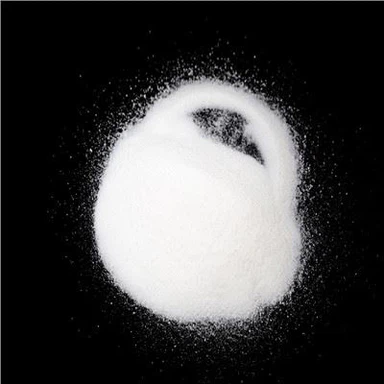
Calcium propionate is also a commonly used food preservative and is generally recognized as safe (GRAS) by the U.S. Food and Drug Administration (FDA). It is often added to baked goods such as bread, as well as some dairy products, to inhibit the growth of mold and other microorganisms.
Studies have shown that calcium propionate is effective in inhibiting the growth of a variety of microorganisms, including mold, bacteria, and yeast. It has also been found to be stable over a broad temperature and pH range, making it a versatile preservative.
As with any food additive, the use of calcium propionate raises some concerns. Some research suggests that excess calcium propionate may also have negative health effects, such as promoting inflammation and affecting the microbiome of the digestive system. However, the evidence on these effects is not conclusive, and the FDA considers calcium propionate to be safe for consumption at levels commonly used in foods.

Calcium propionate has several benefits as a food preservative, including:
1. Inhibits mold growth: Calcium propionate is effective in inhibiting the growth of mold, a common problem in baked goods and other foods with high moisture content. By preventing mold growth, calcium propionate helps extend the shelf life of food products.
2. Extends shelf life: Calcium propionate helps extend the shelf life of food by inhibiting the growth of bacteria, mold, and other microorganisms that can cause spoilage.
3. Safe and effective: Calcium propionate is considered safe for consumption by regulatory bodies such as the European Food Safety Authority (EFSA). It has been extensively researched and found to be an effective food preservative.
4. Versatility: Calcium propionate is a versatile preservative used in a variety of foods, including baked goods, dairy products, and processed meats.
5. Reduce Food Waste: By extending the shelf life of food, calcium propionate can help reduce food waste by preventing spoilage and reducing the need for frequent replacement.
Calcium propionate is considered a safe and effective food preservative with several benefits including inhibiting mold growth, extending shelf life, and reducing food waste. As with any food additive, its use should be carefully regulated and monitored to ensure it does not have any negative effects on human health.