
What is the difference between calcium propionate and sodium propionate?
Nov 16, 2022
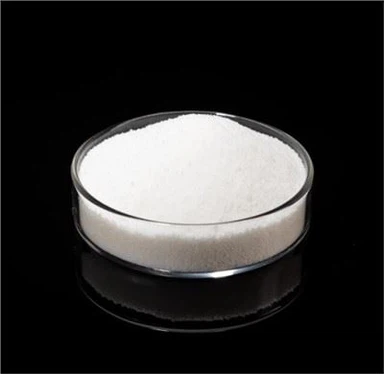
Propionate is mostly white granules or powder. Common propionates that can be used for silage mainly include calcium propionate, sodium propionate, and ammonium propionate. Propionate needs to be converted into propionic acid molecules to play a better antibacterial effect. Its main active ingredient, propionic acid, has a good inhibitory effect on aerobic bacteria such as mold and Bacillus.
There are two mechanisms for propionic acid to exert its antiseptic and antifungal effect: one is the same as the antibacterial mechanism of acetic acid, which is achieved by interfering with the activity of intercellular enzymes; the other is to dehydrate and inactivate bacteria such as mold by forming high osmotic pressure to achieve the purpose.
Calcium propionate, white light scaly crystals, or white granules or powder. Slightly special smell, easy to deliquescence in the humid air. The monohydrate salt is a colorless monoclinic plate crystal. Soluble in water, slightly soluble in ethanol. It has a wide range of antibacterial effects on mold, yeast, and bacteria, and can be used for antiseptic effects in bread and cakes. The lower the pH value, the higher the antiseptic effect. Calcium propionate is almost non-toxic to humans. Used in cosmetics as a preservative thorn, the maximum allowable concentration is 2% (calculated as propionic acid). Store in a dry and cool warehouse, and protect from rain and moisture during storage and transportation. Take propionic acid as raw material and neutralize it with calcium hydroxide.

Sodium Propionate is a colorless transparent crystal or granular crystalline powder, with a slight special smell, monohydrate salt is a colorless crystal, hygroscopic, soluble in water and ethanol, and solubility in 10% water is about 100 (15℃), pH The value is 8.5~10.5.
It has a wide range of antibacterial effects on molds, yeasts, and bacteria. It is the most active in acidic pH. It is used as a food preservative. Sodium is almost non-toxic to humans.
The Main Uses of Sodium Propionate
1. Sodium propionate is an acid-type food preservative, and its bacteriostatic effect is affected by the pH value of the environment. It has a strong inhibitory effect on various molds, gram-negative bacilli, or aerobic bacillus in acidic medium, and is effective in preventing the production of aflatoxin, but is almost ineffective for yeast;
2. Cosmetic preservatives. The amount added to cosmetics is usually not more than 2%.
3. Other uses such as insecticide, antifungal agent, a masking agent in tanning, to improve the alkali resistance of leather and the uniformity of tanning. Sodium propionate is prepared by neutralizing propionic acid with sodium hydroxide or sodium carbonate.
Propionic acid reacts with sodium hydroxide or sodium carbonate until the pH value is neutral to obtain a sodium propionate solution, which is decolorized, filtered, concentrated under reduced pressure, and cooled. Filter, spray, and dry to get the finished product. Although the ability of sodium propionate to inhibit mold is lower than that of calcium propionate, it does not affect the effect of chemical leavening agents, so sodium propionate is more widely used in food such as bread than calcium propionate. It can be seen that sodium propionate has a smell, but it is a very slight special smell. If you don't smell it carefully, it is not easy to detect.