
[Required Knowledge] Of Common Preservatives
Jul 06, 2020
NO.3 Dehydroacetic acid and its sodium salt (dehydroacetic acid and its sodium salt)
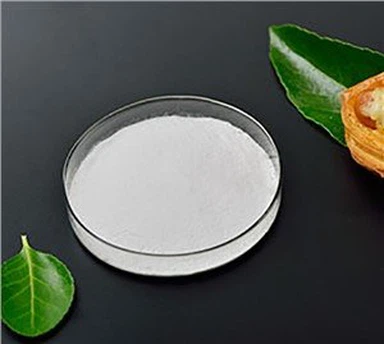
Dehydroacetic acid is colorless to white needle-like or flaky crystals, or white crystalline powder, weak sour taste, hardly soluble in water, turns yellow under direct sunlight, strong acidity, has great antibacterial effect on spoilage bacteria, molds and yeasts , But basically ineffective for neutral foods. Sodium dehydroacetate is white crystals with acetic acid smell and is easily soluble in water, so sodium salt is commonly used. Sodium dehydroacetate has a wide antibacterial range. It has an inhibitory effect on bacteria, yeasts, and molds that cause spoilage. The inhibitory effect is relatively stable. The effect is best when the pH value is less than 9, and it is not easy to be decomposed by heat during processing. At present, it is widely used in the preservation of meat, fermented bean curd, soy sauce, pickles, fruit juice, moon cakes, bread, cakes, starch products, etc. Use limit: The content of sorbic acid in bread, pastry and bakery food fillings and surface sizing products shall not exceed 0.5g/kg.
Antiseptic mechanism: It mainly inhibits the growth of microorganisms by destroying the substructure of microorganism cells and related enzymes.
NO.4 Sodium Diacetate (Sodium Diacetate)
Sodium diacetate is a white crystalline powder or crystalline solid, with the smell of acetic acid, easily soluble in water and ethanol. Sodium diacetate is a new type of high-efficiency, broad-spectrum antibacterial and antifungal agent that is recognized as safe and reliable. The final metabolites in the human body are water and carbon dioxide. Sodium diacetate has a significant inhibitory effect on Aspergillus niger, Rhizopus nigricans, Aspergillus flavus, Trichoderma viride, etc. It is currently used for anti-mildew and antiseptic of food, grain, and feed, while food is mainly used in pickles. In addition, sodium diacetate is also used as a chelating agent to shield metal ions that cause oxidation in food. Use limit: the amount used in pastry products is not more than 4g/kg.
Antiseptic mechanism: The antibacterial effect of sodium diacetate is derived from acetic acid. Acetic acid penetrates into the cell wall of microorganisms, which can interfere with the growth of various enzymes in the cell, or denature the protein in the microbial cell, thereby effectively preventing mildew and antiseptic. The bacterial effect is better than benzoic acid, calcium propionate and potassium sorbate.
The use of food additives should meet the following basic requirements:
(1) Should not cause any health hazards to the human body;
(2) The spoilage and deterioration of food should not be covered up;
(3) Food additives should not be used to conceal the quality defects in the food itself or in the process of processing, or use food additives for the purpose of adulteration, adulteration, or forgery;
(4) The nutritional value of the food itself should not be reduced;
(5) On the premise of achieving the expected results, reduce the amount of food used as much as possible.
Important hint:
The above preservatives belong to the food additives in the table A.1, and the food additives with the same function (the same color and coloring agent, preservatives, antioxidants) listed in the table A.1 are used in combination, and their respective dosages account for their maximum usage The sum of the ratios should not exceed 1.
While using preservatives, the amount of yeast also needs to be increased.