
Food Preservatives
Mar 31, 2020
Definition of food preservatives
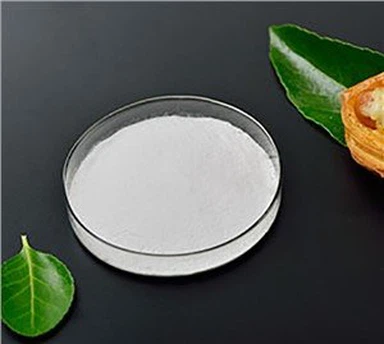
Food preservatives refer to the chemical synthetic or natural substances added to food for the needs of food preservation, food processing, storage and transportation. It can prevent food from spoilage and deterioration caused by microorganisms, extend the shelf life of food, and ensure food safety. In other words, it is precisely because of preservatives that there are a variety of long-life foods on the market.
The mechanism of action of food preservatives
(1) Act on the cell wall and cell membrane system;
(2) Act on genetic material or genetic particle structure;
(3) Act on enzymes or functional proteins.
But in recent years, it has been found that food preservatives mainly inhibit the respiration of microorganisms, and the antibacterial efficacy of different antibacterial agents is also different.
Classification of food preservatives
Food preservatives are classified into chemical preservatives and natural preservatives according to their source. Chemical preservatives are divided into organic preservatives and inorganic preservatives. The former mainly includes benzoic acid and its salts, sorbic acid and its salts, esters of sodium dehydroacetate and p-hydroxybenzoic acid, and calcium propionate and its salts. The latter mainly includes sulfur dioxide, sulfite and nitrite. Natural preservatives are usually extracted from the metabolites of animals, plants and microorganisms, including nisin, natamycin, lysozyme, etc.
The necessity of using food preservatives in food
Under natural conditions, food will lose its original nutritional value, tissue properties, color, aroma and taste due to the action of microorganisms, and become products that do not meet the requirements of hygienic quality. In modern food processing, it is necessary to have a certain preservation ability to be able to meet the needs of the public. Therefore, food must be treated with appropriate preservation and preservation. The use of food preservatives, in a broad sense, is to reduce and avoid human food poisoning; in a narrow sense, it is one of the effective measures to prevent the action of microorganisms and prevent food spoilage. It is estimated that about 20-30% of the food in my country is lost every year due to physical, chemical, biochemical and other factors in the process of production, transportation, sales, and storage. In order to reduce losses and extend the shelf life of food, people have adopted a variety of methods to inhibit or kill microorganisms. Among them, adding preservatives is the most convenient and effective method, so it is widely used.